Mould Gel Buying Guide: What Actually Matters
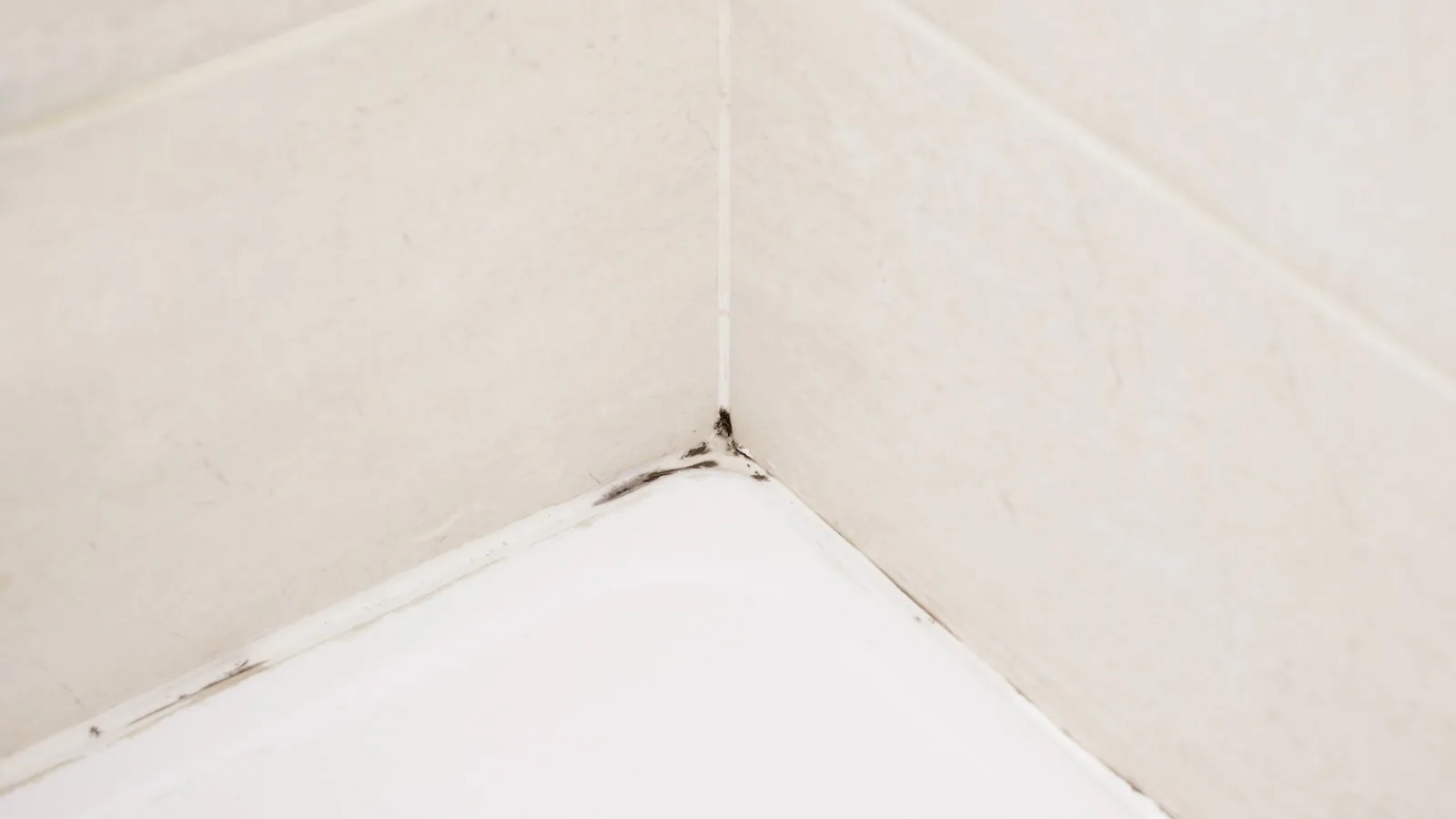
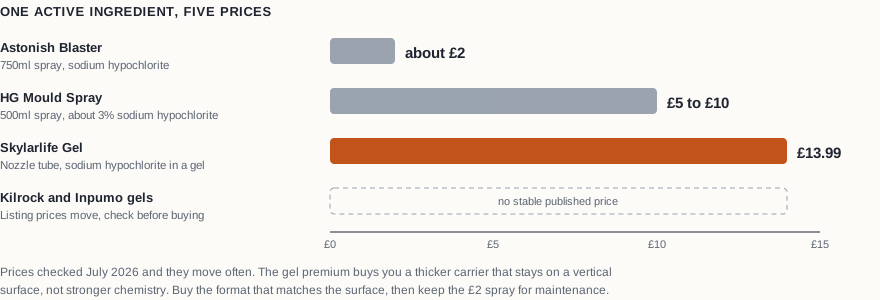
Here's the liberating truth about this category: the chemistry is nearly identical across every product that works. Sodium hypochlorite does the job in the £2 spray and the £14 gel alike. So the buying decision isn't about finding a magic formula, it's about four practical things the listings barely mention.
The four things that matter
1. Format for the surface
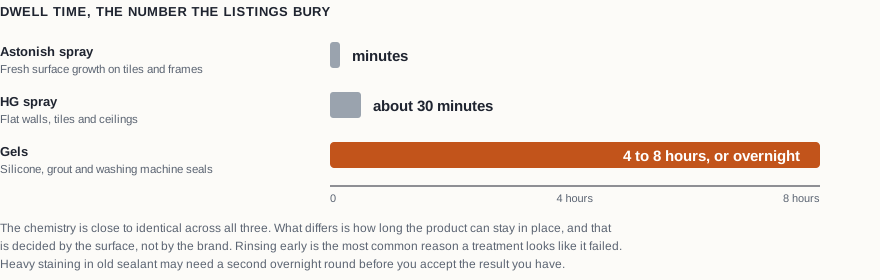
Vertical silicone, rubber seals and deep grout staining need gel, because they need hours of contact and only gel stays put. Walls, ceilings and tile faces need spray, because they need coverage and the mould is superficial. That's the whole decision tree, and it's covered properly in gel vs spray.
2. Applicator
Nozzle tubes (Skylarlife) lay a fast, clean bead along straight sealant runs. Brush applicators (Kilrock) get into folded washing machine gaskets and awkward corners. Match the applicator to your worst problem area.
3. Label transparency
A published ingredient list and safety data sheet mean you know what you're handling and what not to mix it with. Skylarlife, HG and Astonish publish; many cheap import gels don't. That's worth a few pounds on its own, and it's the main real difference between the branded and unbranded ends of this market.
4. Quantity versus your actual job
One bathroom's sealant needs less than a full tube. A whole flat's window gaskets, two bathrooms and a washing machine seal justify a multipack. Gels keep, but they're bleach products; don't stockpile years of supply.
What's marketing
"Japanese formula", "extreme", "magic", "professional strength" and similar labels decorate products whose active ingredient is the same hypochlorite as everything else. Likewise before and after photos: every working product produces them, because the format works. Ignore the adjectives, check the ingredient list, pick the right applicator.
Frequently asked questions
- Does mould gel kill mould or just remove the stain?
- Both, on the surface it treats. Hypochlorite kills growth on contact and breaks down the pigment staining in silicone and grout. What it can't do is fix the damp that grew the mould, which is why the prevention guide matters more than any product page here.
- How long should I leave it on?
- Hours, not minutes. Overnight for heavy staining. Short dwell times are the number one reason people conclude a perfectly good gel "doesn't work".
- Will it fix badly stained silicone?
- Usually it transforms it. But sealant that's been black for years can be colonised right through, and then a grey shadow survives any gel. The honest fix at that stage is £10 of new sealant, then gel as maintenance on the fresh bead.
- Is it safe on coloured grout?
- It's bleach, so it can lighten coloured grout. Test somewhere hidden first. Keep it off fabrics entirely, and rinse bath edges and other skin-contact surfaces after treatment.
- Mould gel or mold gel, what's the difference?
- Spelling. Mould is British, mold is American, the products are the same. UK readers will find the best availability on amazon.co.uk, which is where our links point.
- Can I use it on my washing machine seal?
- Yes, and you should; it's the format's best trick. Use a brush-applicator gel and follow the step by step guide, including the empty hot cycle afterwards.
- Is there a bleach-free option that works?
- Peroxide-based products exist and suit people sensitive to chlorine fumes, but they're generally weaker on established black staining in silicone, and they carry their own precautions. See bleach safety for the full picture.
Our short list
Skylarlife for sealant and grout. Kilrock for the washing machine. HG for walls and ceilings. Astonish for the weekly habit. The full roundup has the details and the honest caveats on each.