Preventing Mould Coming Back: The Part No Product Can Do for You
We sell mould gel on this site, so take this in the spirit it's meant: if you fix the moisture, you'll barely need us again. Mould is not a cleanliness problem and it's not bad luck. It's a moisture problem, every time. Spores are in the air of every home on earth; they only become colonies where a surface stays damp. Remove the dampness and the most aggressive mould in Britain can't establish. Keep the dampness and no product on this site, or anywhere, will do more than repaint the battlefield.
Where the water comes from
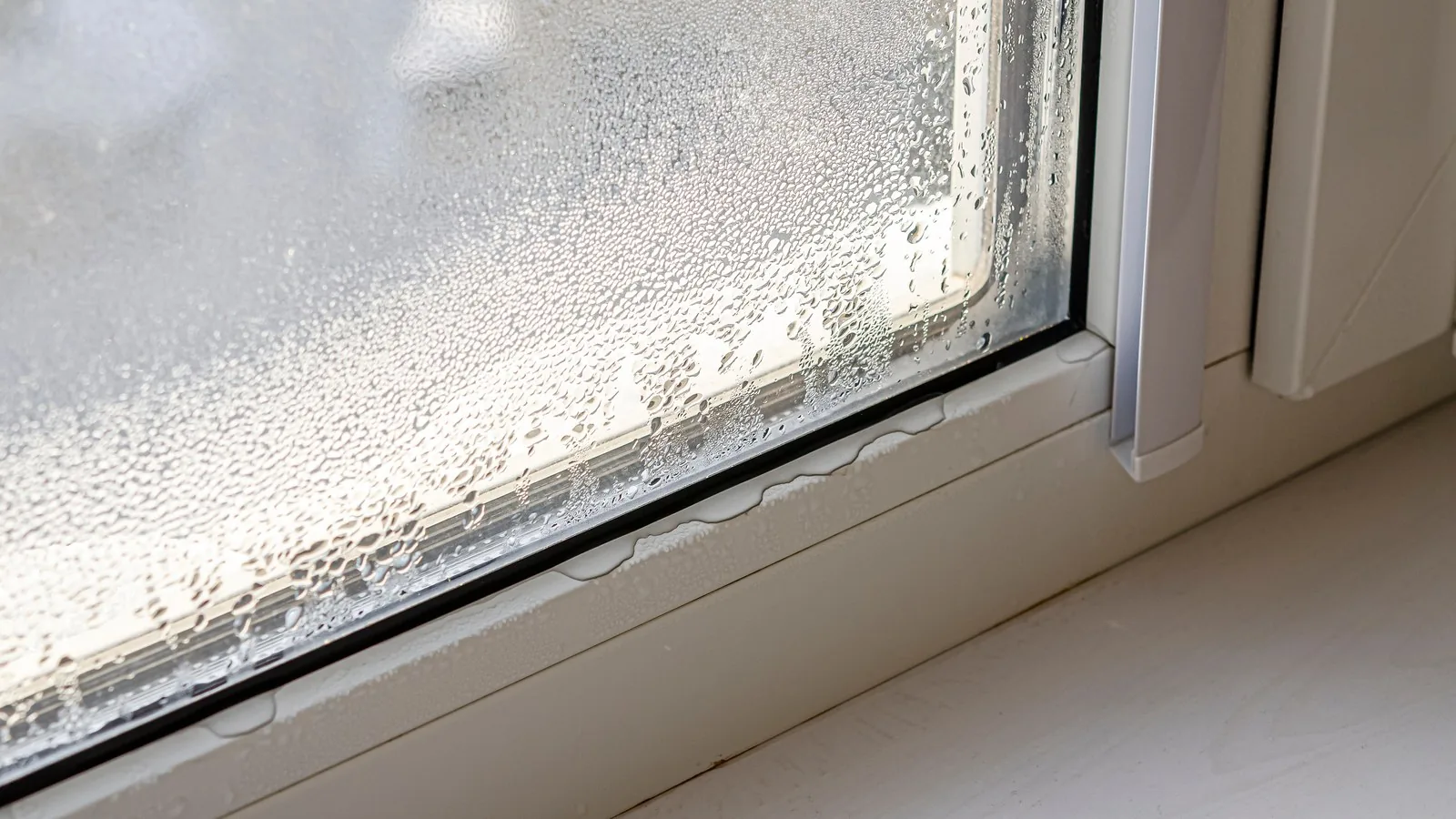
An ordinary household puts litres of water into its own air every day: showers and baths, cooking, kettles, drying laundry indoors, breathing. That vapour rides the air until it touches a surface cold enough to condense on, and in a UK home that means window frames, north-facing external walls, cold corners behind furniture, and the bathroom. Condensation, not leaks, drives most household mould. If you see water beaded on windows in the morning, you're watching tomorrow's mould being delivered.
The fixes, in order of impact
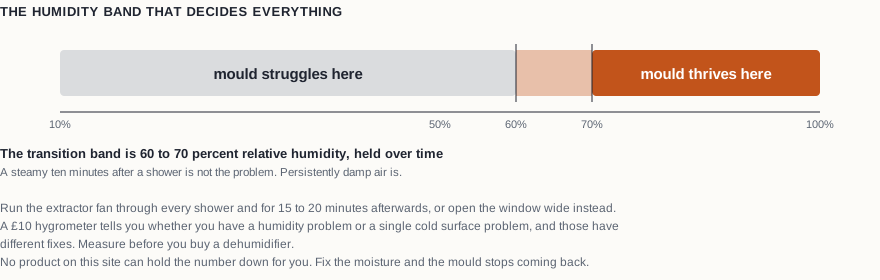
- Get shower steam out of the house. Run the extractor fan during every shower and for 15-20 minutes after, or open the window wide. If the fan is so weak it can't hold a sheet of toilet paper against the grille, it's decorative; replace it.
- Shut the bathroom door while showering. An open door doesn't dilute the steam, it exports it to the coldest bedroom in the house.
- Stop drying laundry on radiators if you can avoid it. A load of wet washing is roughly two litres of water going straight into your air. Dry outside, in a vented or heat-pump dryer, or in one closed room with the window cracked and door shut.
- Cook with lids on and the extractor running. Cheap, invisible, effective.
- Let air move behind furniture. Wardrobes and beds pushed hard against external walls create still, cold pockets where condensation sits. Two or three centimetres of gap changes the microclimate.
- Keep some background heat in cold weather. Surfaces on a wall that never warms up stay below the dew point for weeks. Low steady heating beats short blasts for condensation, whatever it does to your bill; even a modest baseline helps the walls stay dry.
- Ventilate daily. Ten minutes of open windows swaps humid inside air for drier outside air in most seasons. Trickle vents exist to be open; open them.
Should you buy a dehumidifier or a hygrometer?
A cheap hygrometer is worth it immediately: under a tenner, and it turns an invisible problem into a number. Indoor relative humidity persistently above roughly 60-70% is the zone where condensation and mould thrive; drier than that and mould struggles to establish on ordinary surfaces. Measure the rooms that grow mould and you'll usually find the number explains everything.
A dehumidifier is the right tool when the moisture sources can't be fixed, a flat with no outdoor drying space and poor extraction, for instance. It's a workaround with a running cost, not a cure, but for plenty of UK rentals it's the difference between a mouldy winter and a dry one.
The honest sequence
Fix ventilation habits first, they're free. Measure humidity second, it's £10. Clean the existing staining with gel once the moisture is under control, otherwise you're cleaning a wound you keep reopening. Keep it clear with a £2 maintenance spray. And if mould keeps returning despite dry air and good habits, or covers a large area, stop cleaning and read when mould means a bigger problem, because at that point it usually does.